Gen 4 vs Gen 3 pickleball paddles
Updated 2026-08-05 · 6 min read
Short answer
Gen 3 paddles added foam-filled edge walls to a thermoformed shell for raw power. Gen 4 keeps that construction but engineers the core itself — propulsion channels, full-foam blocks and layered faces — for a bigger sweet spot and more spin at similar power. Gen 4 is the better paddle for most players; a discounted Gen 3 is still the better value.
What each generation actually means
These labels are marketing shorthand, not a standards body. But they map onto real construction changes, and knowing which is which stops you overpaying for a relabelled paddle.
| Generation | Construction | Signature trait |
|---|---|---|
| Gen 1 | Face glued to honeycomb core | Light, soft, low power |
| Gen 2 | Raw carbon face, cold-pressed | Spin arrives |
| Gen 3 | Thermoformed shell, foam edge walls | Big jump in power and twist weight |
| Gen 4 | Engineered cores: propulsion channels, full foam, layered faces | Sweet spot and spin without giving up power |
What Gen 4 fixed
Gen 3's weakness was the edges. Enormous power in the middle, a noticeable drop-off outside it, and a well-publicised delamination problem when the pressed shell separated from the core.
Gen 4 attacks that from inside the core rather than the perimeter. Whether it is CRBN's full-foam TruFoam blocks, JOOLA's propulsion-core channels or Selkirk's layered constructions, the goal is the same: keep ball speed high across the whole face rather than only at the centre.
The measurable outcome across our database is higher sweet-spot and consistency ratings at equal or higher power — plus better spin, because the face can be tuned separately from the power source.
Is Gen 4 worth the upgrade?
If you are coming from Gen 2 or earlier, yes — the gap is large and obvious on the first drive.
If you already own a good Gen 3 paddle you like, the honest answer is that the upgrade is incremental. You are buying forgiveness and spin, not a different level of power.
If you are price-sensitive, Gen 3 flagships are now heavily discounted and remain excellent. A $150 Gen 3 paddle beats a $250 Gen 4 paddle you bought for the wrong style.
How to tell which generation you are looking at
Check the spec sheet for 'thermoformed' plus 'foam-injected walls' — that is Gen 3.
Look for a named core technology (propulsion core, TruFoam, honeycomb-plus-foam hybrid) or a full-foam claim — that is Gen 4.
If the listing only says 'raw carbon face, polymer core' with no pressing claim, it is Gen 2 regardless of the release year.
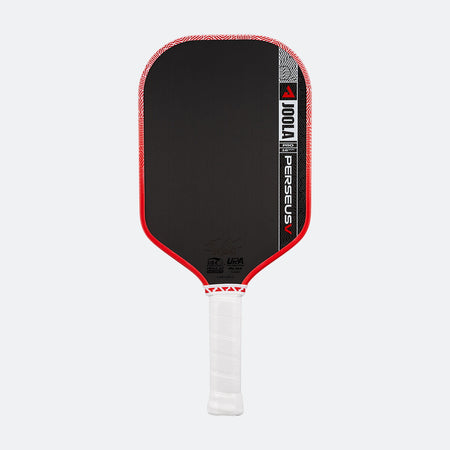
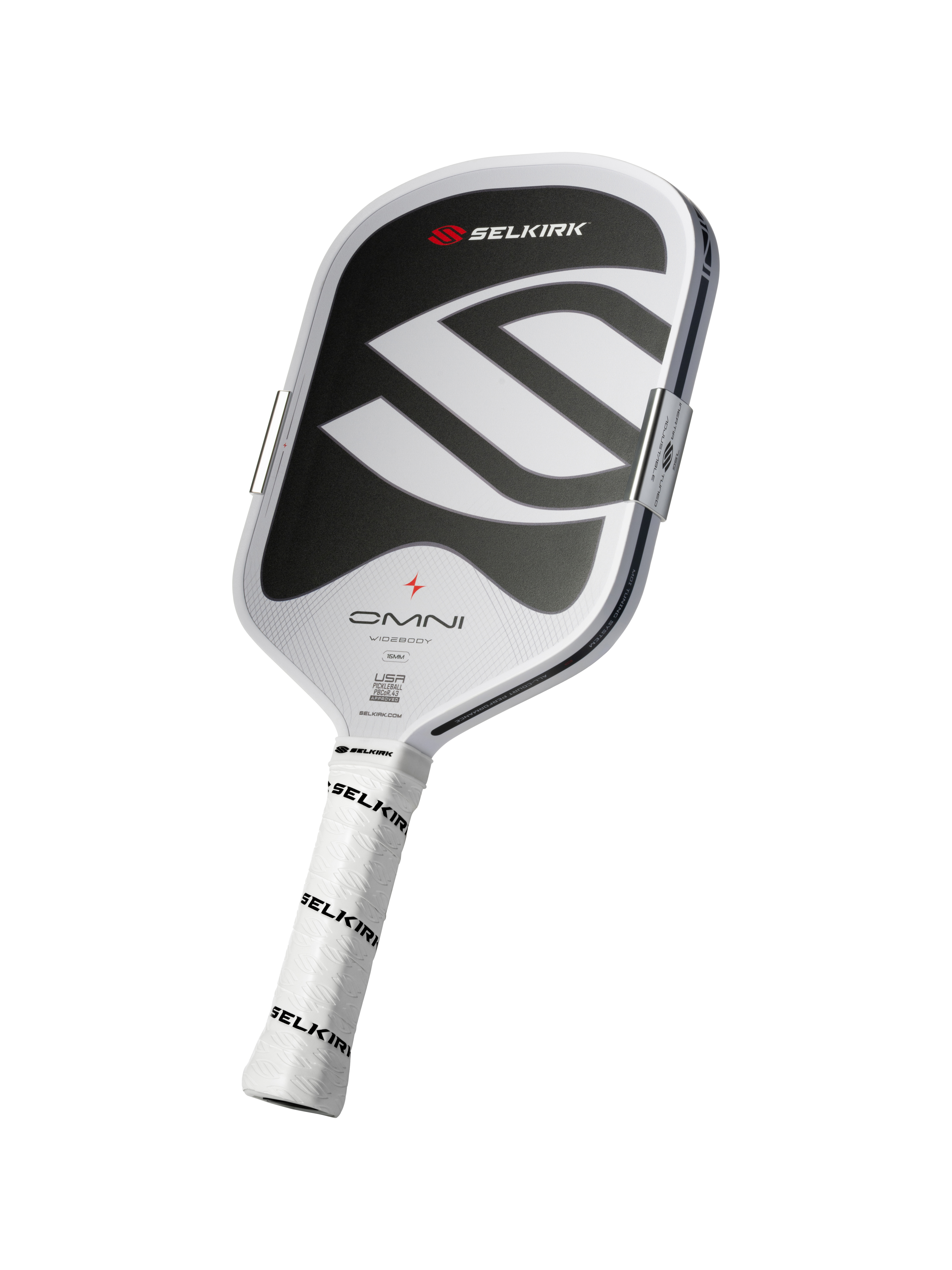
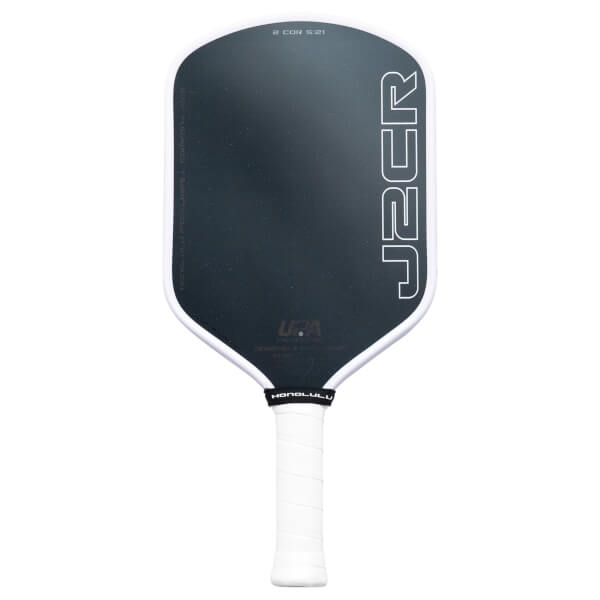
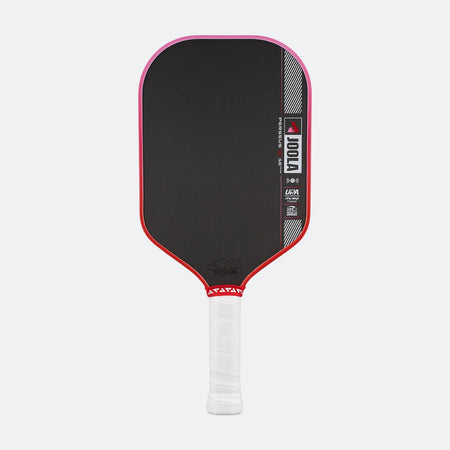
Current-generation engineered-core paddles
Pulled live from the paddle database and ranked by IQ score — this list updates whenever the data does.

Frequently asked questions
- What is a Gen 4 pickleball paddle?
- A paddle that engineers the core itself — propulsion channels, full-foam blocks or layered constructions — rather than just adding foam to the edge walls of a thermoformed shell. The aim is a bigger effective sweet spot and more spin without losing Gen 3's power.
- Are Gen 3 paddles still good in 2026?
- Yes. A well-built Gen 3 flagship is still a tournament-capable paddle, and it is now discounted heavily. The main things you give up are perimeter forgiveness and some spin.
- Do Gen 4 paddles delaminate?
- Delamination was a Gen 3 problem caused by the face separating from a foam-walled honeycomb core under repeated impact. Full-foam and engineered-core builds remove much of that failure mode, though no construction is immune — buy from brands with a real warranty.
- Should I upgrade from Gen 3 to Gen 4?
- Only if your misses are costing you points. Gen 4's advantage is consistency across the face, not raw power. If you make clean contact and like your current paddle, spend the money on lessons instead.
Ranked lists for this topic
Keep reading
- Foam core vs polymer core pickleball paddlesPolymer honeycomb is the proven, affordable standard: soft, controllable and light. Foam — either injected into the walls or filling the core outright — buys you a larger effective sweet spot, higher twist weight and more stable power, at a higher price and usually a higher swing weight.
- What is a thermoformed pickleball paddle?A thermoformed paddle is pressed and heat-cured as a single unit — face, core and edge walls fused together — instead of gluing a carbon face onto a honeycomb core. The result is a stiffer perimeter, higher twist weight and significantly more power, which is why most 2026 flagships are built this way.
- What pickleball paddle weight should I use?Most players are best served by a paddle between 7.8 and 8.3 oz — but static weight matters far less than swing weight, which is what your arm actually feels. Under 110 kg·cm² plays fast, 110–118 is balanced, and over 118 is a power build that punishes slow hands.
- Pickleball paddle grip size chartMost adults need a 4 1/4 in grip circumference. Measure from the middle crease of your palm to the tip of your ring finger — that measurement in inches is your grip size. When you are between sizes, always size down and build up with an overgrip.
Ready to shortlist? Run the Paddle DNA™ match or browse the full database.