What is a thermoformed pickleball paddle?
Updated 2026-08-01 · 5 min read
Short answer
A thermoformed paddle is pressed and heat-cured as a single unit — face, core and edge walls fused together — instead of gluing a carbon face onto a honeycomb core. The result is a stiffer perimeter, higher twist weight and significantly more power, which is why most 2026 flagships are built this way.
How it differs from cold-pressed construction
A traditional cold-pressed paddle is an assembly: a polymer honeycomb core, a carbon or fiberglass face sheet glued to each side, and a plastic edge guard clipped around the outside to hold it together. It works, and it is cheap to manufacture.
A thermoformed paddle is a single pressed shell. The face material wraps around the core and the whole thing is cured under heat and pressure, with foam typically injected into the perimeter to fill what would otherwise be a hollow edge.
Because the edge is now structural rather than decorative, the entire face behaves as one stiff unit. Energy that used to be lost flexing the unsupported perimeter goes into the ball instead.
What you actually feel
More power on the same swing. This is the headline and it is not marketing — the stiffer shell returns more energy, particularly on contact away from the center.
Higher twist weight. Foam edge walls put mass at the perimeter, which resists rotation when you catch the ball off-center. Thermoformed paddles typically measure 6.5–7.5 kg·cm² of twist weight versus 5.5–6.0 for cold-pressed builds.
A firmer, louder feel. The trade for stiffness is less dampening. Thermoformed paddles transmit more vibration to the hand, which is why arm-sensitive players sometimes prefer an older cold-pressed design.
More pop on resets. This is the skill cost. The extra energy return does not switch off when you want a soft ball, so resets that used to sit down now float unless your hand relaxes at contact.
The delamination question
The first wave of thermoformed paddles in 2022–2023 had a real durability problem. Under repeated impact the face could separate from the core, creating a trampoline effect that made the paddle dramatically more powerful — and illegal. Several models were pulled from tournament play.
Manufacturing has largely caught up. Current-generation builds use better adhesives, unibody presses and foam structures that eliminate the void where separation used to start. It is no longer a reason to avoid the category, but it is a reason to buy from established brands and to check that a paddle appears on the current approved equipment list.
The tell that a paddle has gone soft: the sound changes from a crisp crack to a hollow rattle, and the ball starts flying long on shots you used to control.
Should you buy one?
If you are 3.5 or above and you want the current performance ceiling, yes — this is where the technology is and where the flagships are.
If you are still learning to reset, a thermoformed power build will actively work against you. A softer cold-pressed 16 mm paddle is easier to develop a soft game on, and you can move up later.
If you have any arm pain, test before you commit. The stiffness that makes these paddles fast is the same stiffness that sends vibration into your elbow.
Best thermoformed paddles right now
Pulled live from the paddle database and ranked by IQ score — this list updates whenever the data does.
 #1Six Zero Infinity Ruby 1616 mm · hybrid · 8.2 oz · SW 116$22088
 #2Six Zero Quartz Control16 mm · standard · 7.9 oz · SW 108$19088
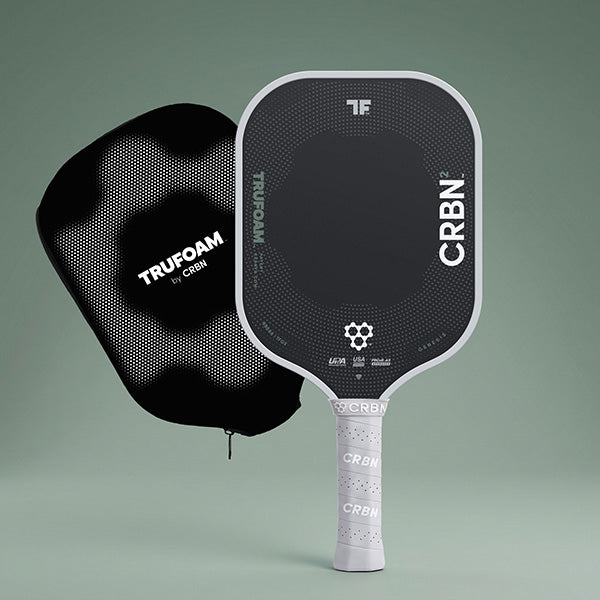 #3CRBN 2X TruFoam Genesis16 mm · widebody · 8.2 oz · SW 110$26088
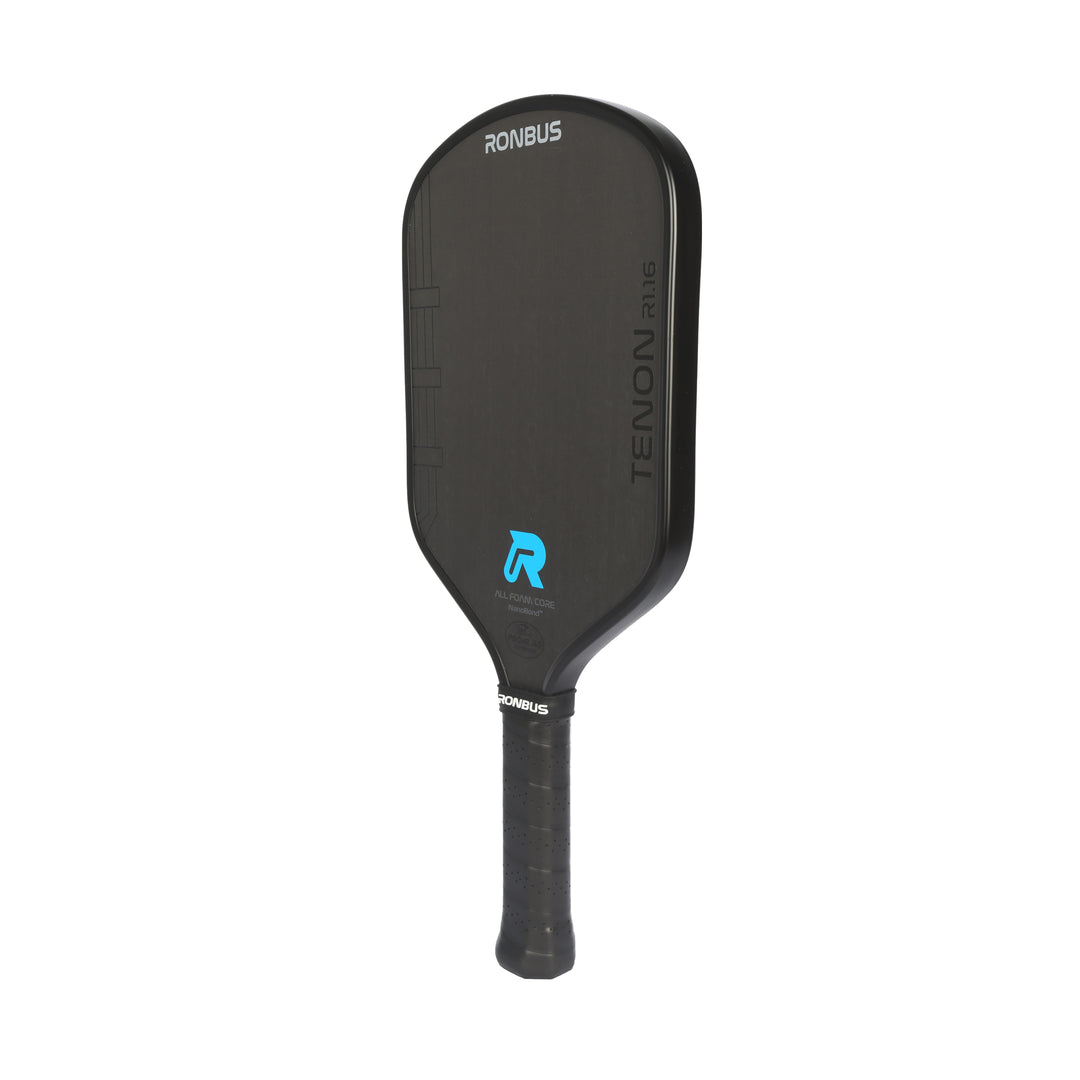 #4Ronbus Tenon16 mm · hybrid · 8 oz · SW 110$18088
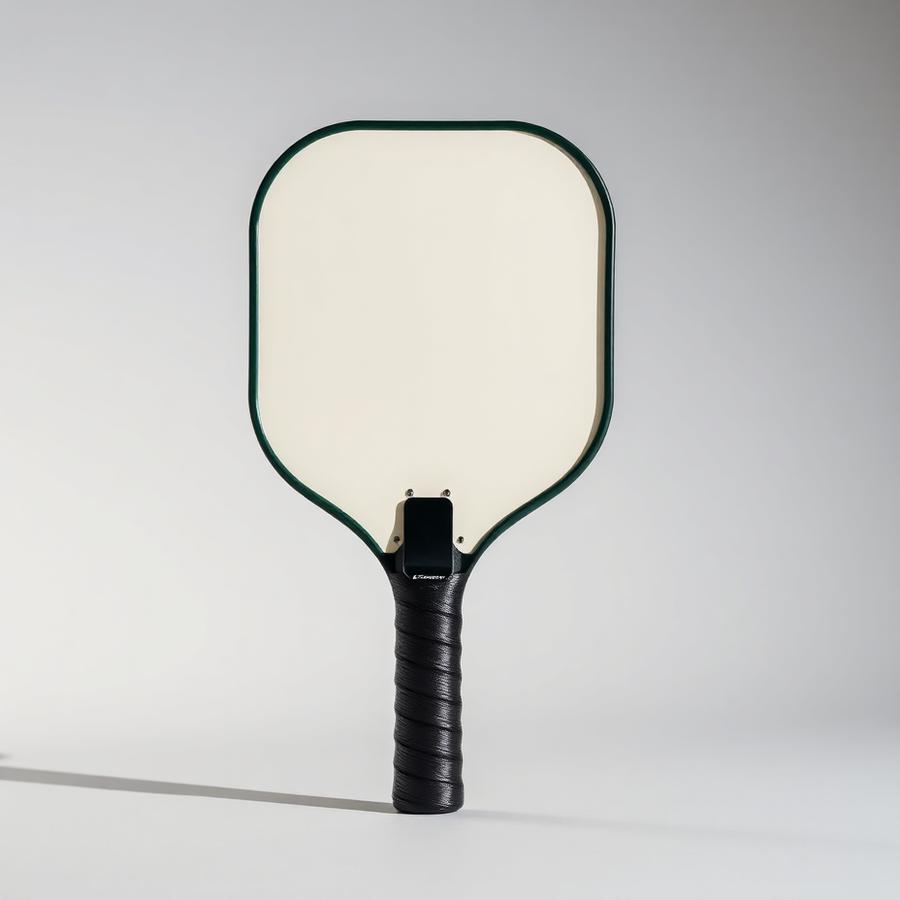 #5Six Zero Double Black Diamond Control16 mm · widebody · 8.3 oz · SW 117$17088
Frequently asked questions
- Are thermoformed paddles legal?
- Yes. Thermoforming is a manufacturing method, not a banned feature. Individual models can be delisted if they fail surface-roughness or deflection testing — including through delamination over time — so check the current approved equipment list for the specific model you are buying.
- Do thermoformed paddles delaminate?
- Early-generation models had a genuine problem with the face separating from the core under repeated impact. Current unibody and foam-wall builds have largely solved it, but it remains a reason to buy established models rather than unbranded imports.
- Is a thermoformed paddle worth it for a beginner?
- Usually not. The extra pop makes soft resets harder to land, which is the exact skill a developing player needs to build. A 16 mm cold-pressed or lightly-foamed paddle is a better learning tool and costs less.
- What is the difference between thermoformed and foam-injected?
- Thermoforming describes how the paddle is pressed and cured as one piece. Foam injection describes filling the perimeter — or the whole core — with foam. Most thermoformed paddles are also foam-injected, but a paddle can be one without the other.
Ranked lists for this topic
Keep reading
- 16mm vs 14mm pickleball paddleA 16 mm core gives you more control, a bigger effective sweet spot and softer resets. A 14 mm core gives you more pop and quicker hands. Most players — and almost all beginners and intermediate doubles players — should choose 16 mm.
- How to choose a pickleball paddleChoose in this order: set a budget, pick a core thickness (16 mm for most players), pick a shape that matches your game, check the swing weight against your hand speed, and only then compare brands. Specs decide fit; brand decides almost nothing.
- What pickleball paddle weight should I use?Most players are best served by a paddle between 7.8 and 8.3 oz — but static weight matters far less than swing weight, which is what your arm actually feels. Under 110 kg·cm² plays fast, 110–118 is balanced, and over 118 is a power build that punishes slow hands.
- Pickleball paddle grip size chartMost adults need a 4 1/4 in grip circumference. Measure from the middle crease of your palm to the tip of your ring finger — that measurement in inches is your grip size. When you are between sizes, always size down and build up with an overgrip.
Ready to shortlist? Run the Paddle DNA™ match or browse the full database.