Foam core vs polymer core pickleball paddles
Updated 2026-08-05 · 6 min read
Short answer
Polymer honeycomb is the proven, affordable standard: soft, controllable and light. Foam — either injected into the walls or filling the core outright — buys you a larger effective sweet spot, higher twist weight and more stable power, at a higher price and usually a higher swing weight.
The direct comparison
Every modern paddle core is either an air-filled polypropylene honeycomb, a honeycomb with foam packed around the perimeter, or a solid block of foam. They behave differently on off-centre contact more than on clean contact.
| Polymer honeycomb | Foam-injected walls | Full foam | |
|---|---|---|---|
| Sweet spot | Central, standard | Wider, edges stay alive | Widest in the database |
| Twist weight | Lowest | Higher | Highest |
| Power | Moderate | High off the perimeter | High and consistent |
| Swing weight | Lightest | Moderate | Usually heaviest |
| Longevity | Softens over time | Good | Best — no honeycomb to crush |
| Price | $60–$180 | $150–$250 | $200–$300 |
What foam actually does
Air-filled honeycomb cells collapse under repeated impact, which is why old paddles develop dead spots near the edges first. Replacing that air with a closed-cell foam gives the face something to push back against everywhere, not just in the middle.
The measurable result is twist weight. Foam builds in our database consistently post higher twist weight than honeycomb equivalents, which is the spec that determines whether a ball hit two inches off-centre still lands where you aimed.
Foam also changes how the paddle ages. Honeycomb paddles get softer and lose pop over a season; foam builds hold their numbers far longer, which is part of why they cost more.
Why polymer is still the right buy for most players
A good thermoformed polymer paddle at $150 does almost everything a $250 foam paddle does on clean contact. You are paying the premium for the margin on your worst shots, not your best ones.
Polymer builds are also lighter and easier to swing. If you are losing hands battles at the line, a lighter honeycomb paddle will help you more than a heavier foam one.
Delamination history matters too. Early foam-walled thermoformed paddles had a well-documented failure rate; current builds are far more reliable, but check the warranty terms before spending flagship money.
Who should buy foam
Players who mishit under pressure and want the paddle to cover for it — foam's twist weight advantage is real and it shows up immediately.
Singles and drive-first players who want power that does not collapse off the perimeter.
Anyone replacing paddles more than twice a year: foam's longer useful life narrows the price gap considerably.
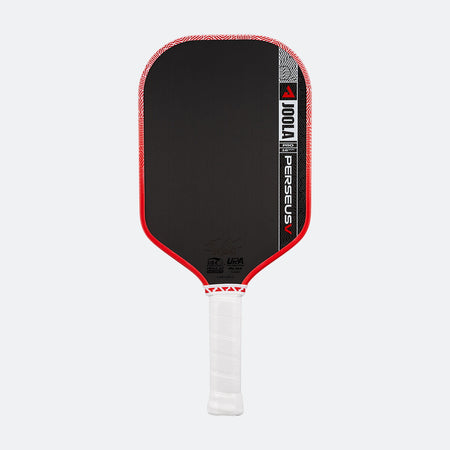
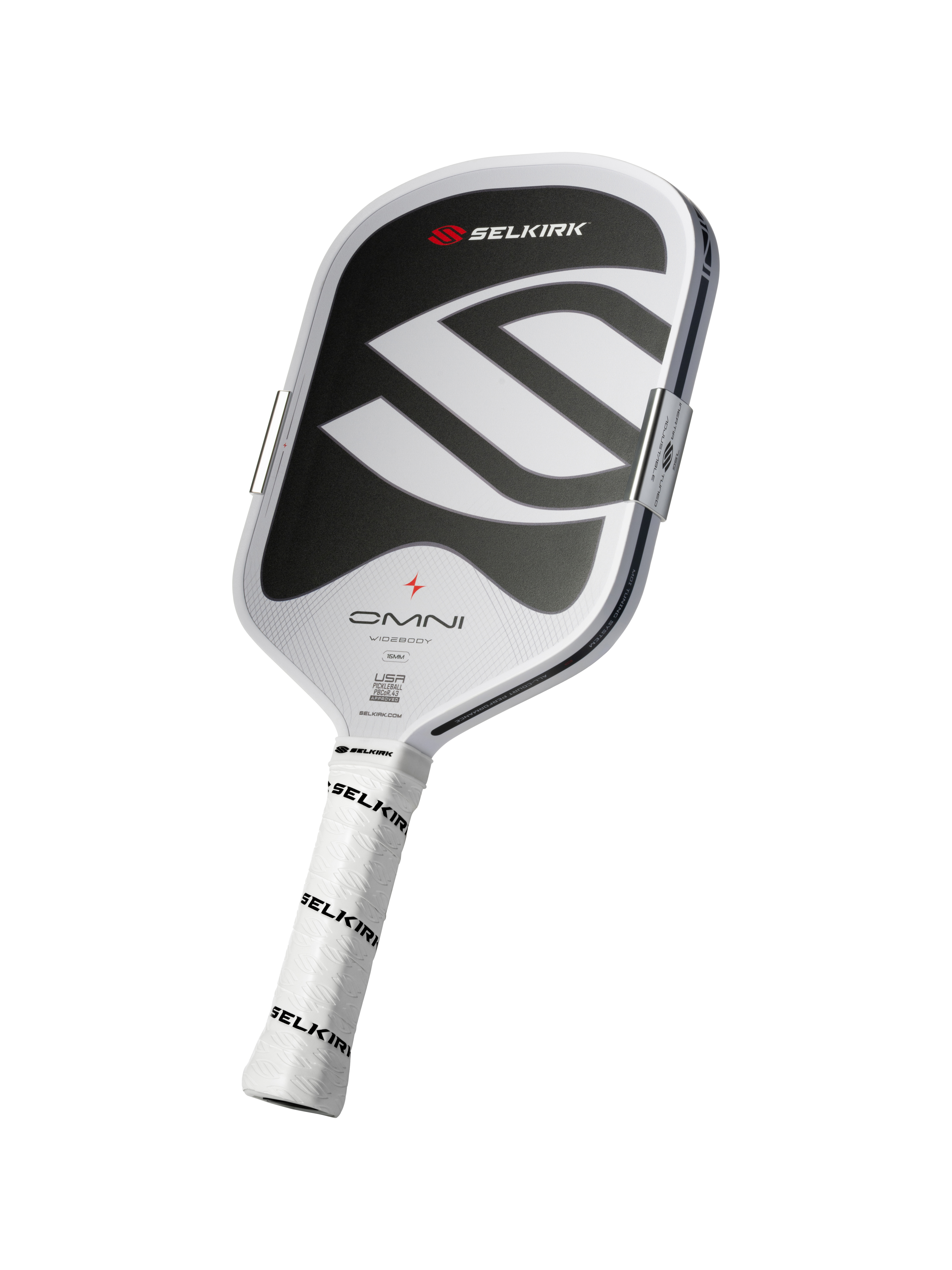
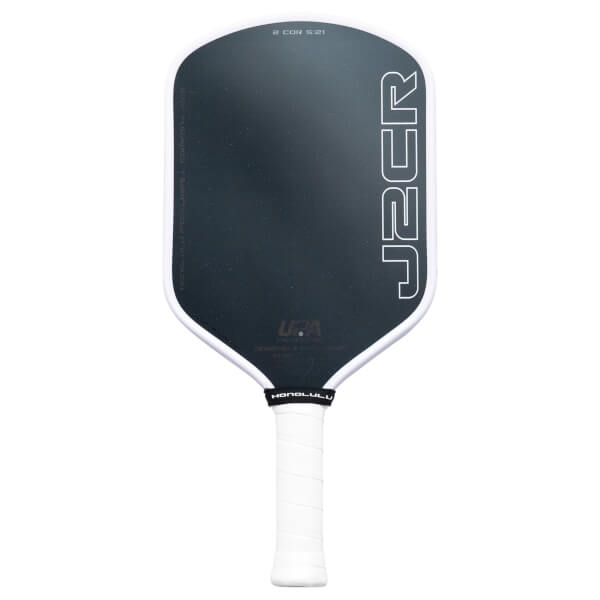
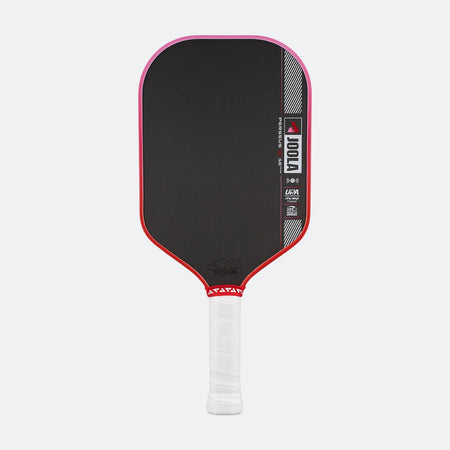
Top-rated foam core paddles
Pulled live from the paddle database and ranked by IQ score — this list updates whenever the data does.

Frequently asked questions
- Is a foam core pickleball paddle better?
- Better on off-centre contact, stability and longevity; not necessarily better on hand speed or price. If you make clean contact consistently and value a fast paddle, a thermoformed polymer core is the smarter buy.
- What is the difference between foam-injected and full-foam?
- Foam-injected paddles keep a honeycomb centre and pack foam into the edge walls, mainly to raise twist weight. Full-foam paddles replace the honeycomb entirely, which raises the sweet spot size further and changes the feel to something denser and more muted.
- Do foam core paddles have more power?
- They have more consistent power. Peak power on a centred hit is similar to a good thermoformed polymer paddle; the gap opens up on shots struck away from the middle, where foam builds lose far less ball speed.
- Do foam paddles last longer?
- Yes, generally. There is no air-filled honeycomb to crush, so the classic pattern of dead spots developing near the edges largely disappears. Face wear and edge-guard damage become the limiting factors instead.
Ranked lists for this topic
Keep reading
- What is a thermoformed pickleball paddle?A thermoformed paddle is pressed and heat-cured as a single unit — face, core and edge walls fused together — instead of gluing a carbon face onto a honeycomb core. The result is a stiffer perimeter, higher twist weight and significantly more power, which is why most 2026 flagships are built this way.
- 16mm vs 14mm pickleball paddleA 16 mm core gives you more control, a bigger effective sweet spot and softer resets. A 14 mm core gives you more pop and quicker hands. Most players — and almost all beginners and intermediate doubles players — should choose 16 mm.
- What pickleball paddle weight should I use?Most players are best served by a paddle between 7.8 and 8.3 oz — but static weight matters far less than swing weight, which is what your arm actually feels. Under 110 kg·cm² plays fast, 110–118 is balanced, and over 118 is a power build that punishes slow hands.
- Pickleball paddle grip size chartMost adults need a 4 1/4 in grip circumference. Measure from the middle crease of your palm to the tip of your ring finger — that measurement in inches is your grip size. When you are between sizes, always size down and build up with an overgrip.
Ready to shortlist? Run the Paddle DNA™ match or browse the full database.